

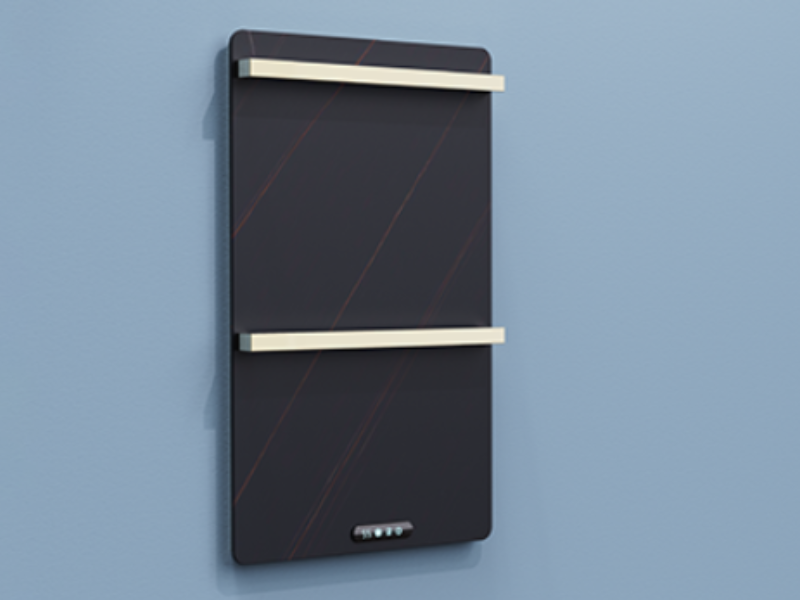
Electric towel warmers have quietly shifted from “hotel-only luxury” to a common upgrade in modern bathrooms. If you’re a procurement buyer, you’ve probably seen growing demand for Electric Towel Warmers in residential, hospitality, and commercial projects. But before you decide what is the best heated towel rail for your catalog or project, it’s essential to look beyond the glossy benefits.
In this guide, you’ll walk through the real disadvantages, practical trade-offs, and purchasing considerations of electric towel warmers—explained clearly, honestly, and from a buyer’s perspective. Along the way, you’ll also see how choosing the right manufacturer, such as FAAO Electric Towel Warmers, can significantly reduce many of these drawbacks.
Before talking about disadvantages, it helps to clarify what are towel warmers used for and what they are not designed to do.
A heated towel rack or heated towel warmer primarily serves three functions:
Drying towels faster
Providing warm, comfortable towels
Reducing moisture, bacteria, and odors
An electric heated towel rack, electric towel rack, or electric towel rail radiator uses internal heating elements rather than hot water plumbing. This makes it easier to install than hydronic systems—but also introduces some limitations.
One of the most searched questions online is: do towel warmers use a lot of electricity?
From a technical standpoint, most electric towel racks are energy-efficient. However, problems arise when end users leave them switched on all day.
Key points procurement buyers should note:
Continuous operation increases electricity costs noticeably
Larger electric towel radiator models consume more power
Lack of timers or thermostats leads to unnecessary energy waste
In hospitality or residential projects, this can turn into complaints about operating costs. Buyers increasingly prefer electric towel rail models with smart temperature control to reduce this concern.
Although electric systems are easier than hydronic ones, installation is not always simple.
Common challenges include:
Hardwired installation requirements instead of plug-in
Compliance with local electrical and bathroom safety codes
Higher electrician labor costs in commercial projects
For bulk procurement, especially hotels or apartment developments, installation complexity scales fast. A poorly planned electric heated towel rail layout can delay delivery schedules and increase total project costs.
This is why many buyers prefer manufacturers offering clear installation guides and standardized mounting systems.
A frequent misunderstanding is expecting a heated towel warmer to function as a primary heat source.
In reality:
Electric towel warmers heat towels, not entire rooms
Heat output is localized and limited
Large bathrooms will still require separate heating
When this expectation gap isn’t addressed upfront, it becomes a source of dissatisfaction. From a buyer’s perspective, this limitation must be clearly communicated during specification.
This is a classic downside listed in most heated towel rails pros and cons comparisons.
Compared with traditional towel bars, Electric Towel Warmers involve a higher initial investment.
Cost factors include:
Premium materials and internal heating elements
Electrical installation expenses
Higher unit pricing for certified products
For budget-driven projects, this can affect purchasing decisions. However, in mid-to-high-end markets, buyers often accept the price difference due to improved hygiene, comfort, and perceived luxury.
Procurement buyers should position electric towel racks as value-added accessories, not basic fittings.
Another overlooked drawback is space efficiency.
Electric towel warmers:
Require dedicated wall space
May conflict with mirrors, cabinets, or storage
Can overwhelm small bathroom layouts
In compact apartments or urban developments, this becomes a real constraint. This is why customizable sizing and slim-profile electric towel rail radiator designs are increasingly popular among project buyers.
Bathrooms are high-moisture environments, making safety a major concern.
Risks associated with poor-quality electric towel warmers include:
Overheating due to inferior heating elements
Electrical leakage from improper insulation
Failure to meet regional certification standards
For procurement buyers, sourcing uncertified electric heated towel racks increases warranty claims and reputational risk. This downside is less about the product category and more about supplier choice.
While electric towel warmers are generally low-maintenance, not all models age well.
Potential long-term issues:
Heating elements degrading over time
Surface discoloration in humid environments
Loose wiring or switches after extended use
Aluminum alloy electric towel racks tend to perform better over time due to corrosion resistance and faster heat dissipation, which is why material selection matters during sourcing.
In warm or humid regions, towel warmers may feel less essential.
In these markets:
ROI is harder to justify
Usage frequency is lower
Buyers may prioritize ventilation instead
For procurement buyers, this means Electric Towel Warmers should be targeted strategically—luxury apartments, hotels, spas, and cold-climate regions see the highest acceptance.
FAAO electric towel warmer brings you a warm bathroom—without unnecessary compromises.
Key advantages that directly reduce common cons:
Luxurious sterilization and mite removal
Aluminum alloy structure for humid environments
Advanced heating technology for stable temperatures
Lightweight, durable, and low-maintenance design
An aluminum alloy electric towel rack offers:
High corrosion resistance
Faster heat transfer
Lower energy waste
Longer service life
This directly addresses concerns about durability, electricity usage, and maintenance costs.
A mid-sized hotel group sourcing electric heated towel rails reported a 30% reduction in towel replacement costs after installation. Faster drying reduced mildew damage and laundry cycles.
However, the same project initially faced guest complaints due to continuous operation. Once timers were installed, energy costs stabilized and satisfaction improved.
Lesson learned: product features and usage education matter equally.
Before you decide what is the best heated towel rail for your market, consider:
Energy efficiency controls
Installation flexibility
Material quality
Manufacturer credibility
After-sales support
A well-chosen electric towel radiator becomes a selling point rather than a liability.
Electric towel warmers are not perfect—but their disadvantages are manageable with the right product strategy. As a procurement buyer, your role isn’t to avoid cons, but to minimize risk through smart sourcing. By selecting reliable manufacturers like FAAO, you gain better materials, smarter heating technology, and designs that work in real bathrooms.
If you’re looking to add value, elevate brand perception, and meet modern comfort expectations, FAAO Electric Towel Warmers deserve serious consideration. Don’t just sell warmth—sell confidence.
Q1:Do towel warmers use a lot of electricity?
Most electric towel warmers consume less power than a traditional space heater. Usage time and thermostat control make the biggest difference.
Q2:What are towel warmers used for besides drying towels?
They help reduce bacteria, odors, humidity, and improve bathroom comfort—especially in hotels and apartments.
Q3:Is an electric towel rail radiator safe for bathrooms?
Yes, when sourced from certified manufacturers and installed correctly according to local electrical codes.
Q4:Are electric towel racks suitable for commercial projects?
Absolutely. With proper controls and durable materials, they perform well in hotels, gyms, and residential developments.
Q5:How long does an electric heated towel rail last?
High-quality models, especially aluminum alloy designs, often last 8–15 years with minimal maintenance.
 Optimized by Seraphinite Accelerator
 Tel:
Tel:  E-mail:
  English
  Spanish
  French
  Russian
  Portuguese