When you are sourcing bathroom heating products for residential, hotel, or commercial projects, choosing between vertical and horizontal electric towel warmers is not a small decision. It directly affects wall space usage, installation cost, user experience, and even the perceived quality of your product line. You may have noticed that some markets strongly prefer the vertical electric towel rail, while others insist on the horizontal electric towel rail as a standard configuration.
So which one is better?
The honest answer is it depends on your project type, market habits, and purchasing strategy. In this guide, you will learn the real differences, practical advantages, and procurement logic behind both options. By the end, you will be able to decide with confidence—and understand why more professional buyers are turning to FAAO Electric Towel Warmers for flexible, reliable, and OEM-ready solutions.

Electric Towel Warmers are not just bathroom accessories anymore. In modern construction and renovation projects, they are treated as functional heating appliances, hygiene tools, and premium lifestyle features combined into one.
For procurement buyers, towel warmers matter because they:
Improve bathroom hygiene by drying towels fast
Reduce moisture and bacteria growth
Add value to property listings and hotel standards
Differentiate your product catalog from competitors
Compared with traditional drying methods, a towel warmer dries towels in 1–2 hours, while natural drying may take 6–8 hours in humid environments. That difference is not only about comfort—it directly affects cleanliness, odor control, and customer satisfaction.
From a market point of view, electric towel warmers are now expected to deliver:
Fast heating
Low-energy consumption
Easy heated towel rail installation
Long service life
Safe operation in wet areas
And this is where design orientation—vertical or horizontal—starts to play a critical role.

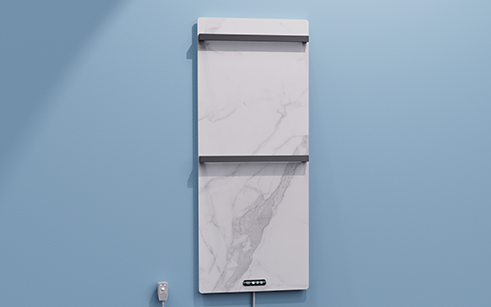
Vertical Electric Towel Warmers are towel-heating devices designed in a vertical layout, where the heating bars or panels are arranged from top to bottom instead of side to side. Unlike traditional horizontal models, a vertical electric towel rail makes full use of wall height, making it an ideal solution for bathrooms with limited horizontal space.
You can think of a vertical heated towel rail as a smart combination of space-saving design and modern aesthetics. It performs the same core functions as any other electric towel warmer—drying towels, reducing moisture, and improving bathroom hygiene—but in a more architectural and visually striking form.

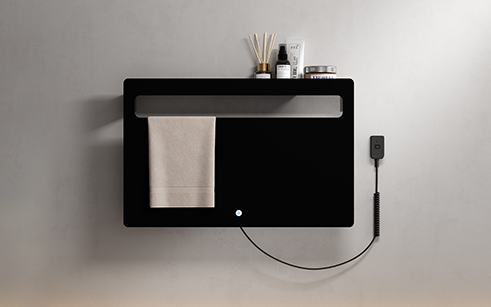
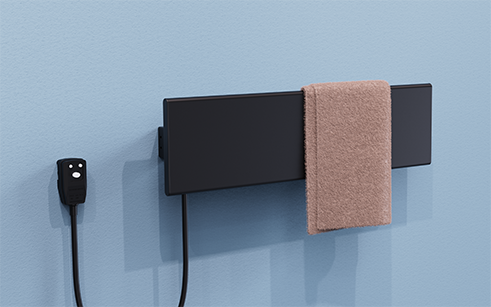
Horizontal Electric Towel Warmers are the most traditional and widely used type of electric towel heating solution. In this design, the heating bars are arranged from left to right, creating a broad surface that allows towels to be spread flat for maximum contact with heat. This layout makes the horizontal electric towel rail a practical, reliable, and highly efficient option for both residential and commercial bathrooms.
When people think of a classic towel warmer, they are usually thinking of a horizontal electric towel radiator. It delivers strong drying performance, high towel capacity, and an intuitive user experience that requires no explanation.

When you are sourcing Electric Towel Warmers, understanding the differences between vertical and horizontal models is critical. Each type has unique advantages, ideal use cases, and market appeal. Below is a detailed, buyer-focused comparison to help you make informed procurement decisions.
Vertical Electric Towel Rail:
Vertical models are perfect for narrow walls or compact bathrooms. By using the height of the wall instead of its width, these towel warmers save valuable floor and wall space. This makes them ideal for apartments, small hotel bathrooms, or renovation projects where horizontal wall space is limited. Vertical designs allow you to place other accessories like mirrors, cabinets, or shelves alongside without cluttering the space.
Horizontal Electric Towel Rail:
Horizontal models excel in bathrooms with wide walls. They provide a longer surface to hang towels and are easier to integrate with existing fixtures. For family bathrooms, gyms, or hotels, a horizontal electric towel radiator is often preferred because it can hold multiple towels flat, maximizing drying efficiency.
Vertical Heated Towel Rail:
Vertical models typically have moderate towel capacity. Towels are hung stacked or side-by-side on vertical bars, which works well for one or two users. While drying efficiency is excellent due to upward heat circulation, the limited surface area means fewer towels can be dried simultaneously.
Horizontal Electric Heated Towel Rail:
Horizontal models provide maximum towel capacity. Towels spread across multiple bars ensure even heating and faster drying. This is especially important in hotel bathrooms or high-traffic areas, where quick turnaround and hygiene are critical. The broad contact surface also reduces damp odors and bacterial growth.
Vertical Electric Towel Rail:
Installing a vertical model requires careful wall alignment and consideration of wiring paths. They are more suitable for new construction projects or spaces where wall studs and power outlets are easily accessible. Experienced installers can achieve excellent results, but it may take slightly longer than horizontal installations.
Horizontal Electric Heated Towel Rail:
Horizontal models are generally easier to install in both renovations and new builds. Their alignment is more forgiving, and power connections are straightforward. For procurement buyers managing multiple projects, this reduces labor costs, errors, and installation delays.
Vertical Electric Towel Warmers:
Vertical designs are considered modern, minimalist, and premium. They add a strong visual impact to any bathroom and are often marketed as a design-forward solution for urban apartments or boutique hotels. Vertical towel warmers can serve as a statement piece, elevating the perceived value of a property.
Horizontal Electric Towel Warmers:
Horizontal models have a classic, familiar look that resonates with the majority of buyers. They are practical, reliable, and universally accepted, making them easier to sell in bulk markets. The design is subtle but effective, focusing on functionality rather than aesthetics.
Vertical Heated Towel Rail:
Vertical models rely on natural convection. Warm air rises along the bars, providing even heat circulation and efficient drying. This is ideal for smaller bathrooms, where airflow is limited.
Horizontal Electric Towel Radiator:
Horizontal models deliver consistent heat across the towel surface. Towels have direct contact with multiple bars, which increases drying speed. For busy family bathrooms or hotel rooms, this feature ensures towels are ready in just 1–2 hours, enhancing hygiene and user satisfaction.
Vertical Electric Towel Rail:
Urban apartments with narrow wall space
Boutique hotels seeking modern aesthetics
High-end residential renovations
Bathrooms where design statement is important
Horizontal Electric Towel Rail:
Hotels, resorts, and hospitality projects
Family bathrooms with multiple users
Gyms and spa facilities
Renovations with existing wide walls and easy installation
Vertical Electric Towel Rail:
Vertical models are generally energy-efficient for small to medium bathrooms. The vertical airflow allows towels to dry quickly without requiring high wattage. With the FAAO Aluminum Electric Heated Towel Rail, intelligent temperature control can reduce energy usage while maintaining comfort. This is ideal for buyers targeting eco-conscious markets.
Horizontal Electric Towel Rail:
Horizontal models cover a larger surface area, which can require slightly higher energy input to maintain uniform warmth. However, the FAAO horizontal electric heated towel rail series comes with efficient heating elements, making them cost-effective even for multiple towel loads in hotels or family bathrooms.
Vertical Heated Towel Warmers:
Vertical models are often made from stainless steel, aluminum alloy, or black powder-coated steel. Aluminum vertical rails heat up quickly, resist corrosion, and are lightweight—perfect for renovation projects where wall support may be limited.
Horizontal Electric Towel Radiators:
Horizontal models are also available in stainless steel, aluminum, and black finishes. Their wider surface increases exposure to moisture, so using FAAO high-quality materials ensures long-lasting performance, even in high-traffic areas like gyms or hotel bathrooms.
Vertical Electric Towel Warmers:
Vertical rails often come with insulated bars, waterproofing, and overheat protection. FAAO vertical models include flame-retardant coatings and IP44-rated water resistance, making them safe for all modern bathrooms.
Horizontal Electric Towel Warmers:
Horizontal models are widely used in family and commercial bathrooms, so safety is critical. FAAO horizontal towel warmers provide safe touch surfaces, intelligent thermostat control, and anti-slip mounting designs to protect users, especially children and the elderly.
| Comparison Aspect | Vertical Electric Towel Warmers | Horizontal Electric Towel Warmers |
| Product Definition | A vertical electric towel rail is designed with heating bars arranged from top to bottom, maximizing wall height usage and creating a slim, modern appearance. | A horizontal electric towel rail features bars arranged from left to right, offering a wide heating surface that allows towels to be spread flat for faster drying. |
| Space Utilization | Ideal for narrow or compact walls; saves horizontal wall space and keeps the bathroom visually uncluttered. | Best for wide walls; uses horizontal space efficiently and fits naturally above bathtubs or next to showers. |
| Towel Capacity | Moderate capacity; suitable for 1–2 towels at a time, perfect for apartments or personal bathrooms. | High capacity; can hold and dry multiple towels simultaneously, ideal for families and hotels. |
| Drying Efficiency | Relies on vertical airflow and natural convection, ensuring even heat circulation and consistent drying. | Uses direct contact heating across multiple bars, offering faster and more uniform towel drying. |
| Heating Performance | Excellent for small to medium bathrooms with controlled energy use. | Strong performance for large or high-usage bathrooms that require rapid drying cycles. |
| Energy Consumption | Typically lower wattage, making it energy-efficient for compact spaces. | Slightly higher power options available, but highly efficient when drying multiple towels at once. |
| Installation Difficulty | Requires more precise wall alignment and wiring; best for new construction or planned layouts. | Easier installation with flexible mounting points; perfect for renovation and retrofit projects. |
| Installation Cost Impact | Slightly higher labor cost due to alignment precision. | Lower labor cost and shorter installation time. |
| Design Appeal | Modern, minimalist, and architectural; often used as a design feature in premium bathrooms. | Classic, familiar, and functional; focuses more on practicality than visual impact. |
| Market Positioning | Premium and design-oriented product segment. | Mass-market and functional product segment. |
| User Experience | Offers a clean, stylish appearance with efficient towel warming. | Delivers a familiar, intuitive experience with high towel capacity. |
| Bathroom Size Suitability | Best for small to medium bathrooms, apartments, and boutique hotels. | Best for medium to large bathrooms, family homes, hotels, and gyms. |
| Typical Applications | Urban apartments, luxury residences, designer bathrooms, boutique hotels. | Hotels, resorts, family bathrooms, gyms, spas, and large renovation projects. |
| Material Options | Aluminum alloy, stainless steel, glass panel, rock panel series. | Stainless steel, aluminum alloy, black powder-coated steel, shelf models. |
| Durability | High, especially with aluminum and stainless steel construction that resists corrosion. | High, built for heavy use in commercial environments and high-humidity areas. |
| Safety Features | Waterproof design, insulation, flame-retardant materials, overheat protection. | Waterproof design, thermostat control, safe-touch surface, flame-retardant materials. |
| Maintenance | Easy cleaning due to slim profile and vertical bar spacing. | Slightly more surface area to clean but easier towel handling. |
| Customization Potential | Strong customization for premium markets (colors, finishes, panel materials). | Wide customization for functional markets (sizes, bar spacing, shelf additions). |
| OEM/ODM Suitability | Excellent for high-end branding and differentiated product lines. | Excellent for bulk production and private-label projects. |
| Cost Level | Generally higher due to premium design and materials. | More cost-effective, especially for large-volume procurement. |
| Profit Margin Potential | Higher margins in premium and design-focused markets. | Stable margins with strong volume sales potential. |
| Market Trend | Rapid growth in modern residential and luxury segments. | Continues to dominate hospitality and mass residential markets. |
| Buyer Risk Level | Medium: requires market education and design positioning. | Low: well-accepted by customers with predictable performance. |
| Ideal Buyer Strategy | Use it as a premium product to elevate brand image and attract design-conscious customers. | Use it as a core product to secure stable, high-volume sales. |
| Recommended Portfolio Role | “Highlight product” or “premium collection.” | “Mainstream product” or “volume driver.” |
In compact bathrooms, every centimeter matters. A vertical electric towel rail uses wall height instead of wall width, making it perfect for:
Apartments
Small hotel rooms
Renovation projects with limited space
Buyers choose vertical designs when they want to preserve horizontal wall area for mirrors, cabinets, or accessories.
Vertical models feel architectural. They give bathrooms a taller, cleaner, more structured look. For premium projects, this visual upgrade is often a deciding factor.
You are not just selling a heater—you are selling an aesthetic statement.
Vertical orientation improves natural air convection. Warm air rises, creating a gentle vertical heat flow that:
Dries towels evenly
Keeps bathroom air warm
Enhances comfort without overheating
This makes the vertical heated towel rail particularly appealing for energy-conscious projects.
A horizontal electric towel rail allows towels to be spread flat and wide, increasing contact with heated bars. This means:
Faster drying
Better warmth retention
More towels at once
Hotels, gyms, and family households strongly prefer this layout.
From an installation perspective, the horizontal electric heated towel rail is simpler to align with existing wall structures and plumbing layouts. Electric connections are more standardized, which reduces:
Labor cost
Installation time
Error risk
For large-scale procurement, this advantage is significant.
Customers already understand horizontal towel rails. Less explanation is required. That reduces complaints, returns, and service requests.
In recent years, more professional buyers have shifted their focus toward aluminum electric heated towel rail solutions. And honestly, it makes perfect sense when you look at performance, cost efficiency, and market acceptance.
Aluminum is light, strong, corrosion-resistant, and heats up extremely fast. Compared with traditional steel or stainless steel structures, aluminum models deliver a better balance between performance and long-term stability.
For you as a buyer, this means:
Faster heating response
Lower energy consumption
Easier logistics and installation
Reduced risk of rust and surface damage
This is why FAAO has invested heavily in aluminum alloy technology for its towel warmer series.
You are not just buying a product. You are buying a smarter material choice.
FAAO uses high-quality heating wire systems that deliver:
Rapid warm-up
Even heat distribution
Stable temperature control
Your customers feel warmth within minutes, not hours. Towels dry thoroughly, not just partially.
That creates real user satisfaction.
Energy cost is becoming a global concern. FAAO Electric Towel Warmers integrate:
Intelligent temperature control
Heat-on-demand operation
Low standby power consumption
So you can confidently market your towel warmers as:
Energy-saving electric towel warmers for sustainable bathrooms.
Safety is not negotiable in wet areas. FAAO products are designed to be:
Waterproof
Moisture-proof
Insulated
Flame-retardant
This reduces liability risk for your projects and strengthens your trust relationship with contractors and distributors.
When buyers choose FAAO Electric Towel Warmers, they choose stability and long-term reliability.
One European distributor switched from mixed suppliers to FAAO Electric Towel Warmers across their full towel warmer category.
Their result after one year:
23% reduction in after-sales issues
17% improvement in delivery reliability
Higher customer satisfaction ratings
Easier brand positioning
Why?
Because FAAO provided:
Stable quality
Flexible OEM packaging
Strong technical documentation
For you, this is what a long-term manufacturing partner should look like.
So, are vertical or horizontal Electric Towel Warmers better?
The truth is simple:
They are better for different purposes.
Vertical models bring modern design and space efficiency.
Horizontal models deliver practicality, capacity, and installation simplicity.
The smartest buyers don’t choose one.
They build a system that includes both.
And when you choose FAAO Electric Towel Warmers, you gain more than products. You gain a manufacturing partner who understands quality, branding, logistics, and long-term growth.
You get reliability.
You get flexibility.
You get confidence in every order.
If you are ready to upgrade your towel warmer portfolio, reduce risk, and build stronger market positioning, now is the time to work with FAAO.
Choose FAAO.
Choose consistency.
Choose a better future for your brand.
Yes. Vertical models fit small spaces, while horizontal models work better in wide layouts. FAAO offers both for flexible applications.
Both can be highly efficient. Energy efficiency depends more on heating technology and temperature control, which FAAO optimizes in all models.
Horizontal models are generally easier for renovations. Vertical models are ideal for new construction where layout planning is flexible.
Aluminum electric heated towel rails are increasingly preferred due to fast heating, light weight, and corrosion resistance.
Yes. FAAO specializes in OEM/ODM services and works with global distributors and DIY retailers.
 Optimized by Seraphinite Accelerator
 Tel:
Tel:  E-mail:
  English
  Spanish
  French
  Russian
  Portuguese