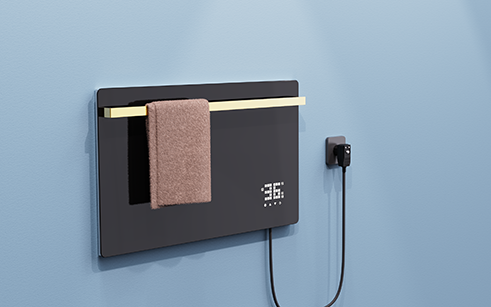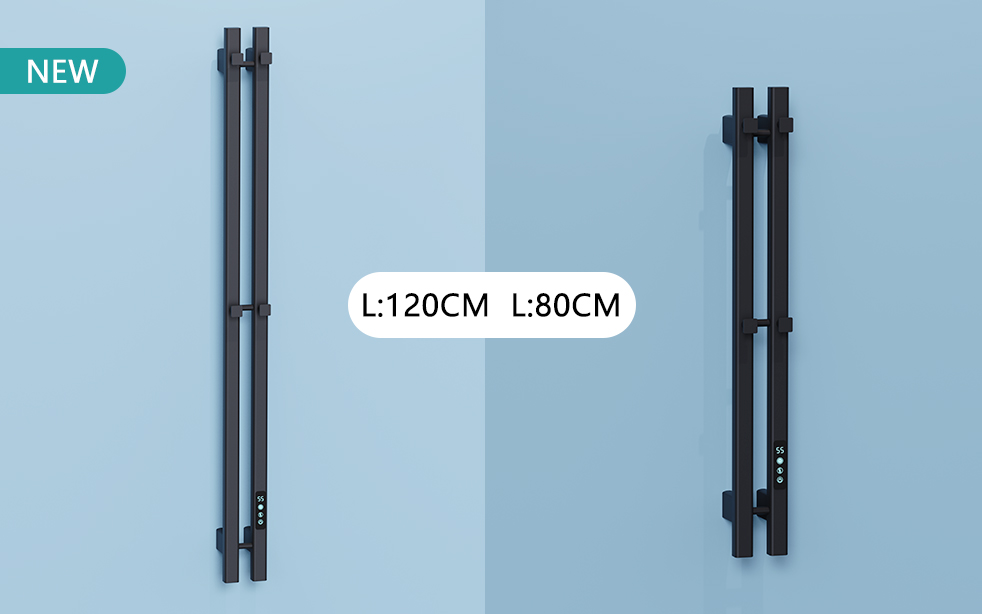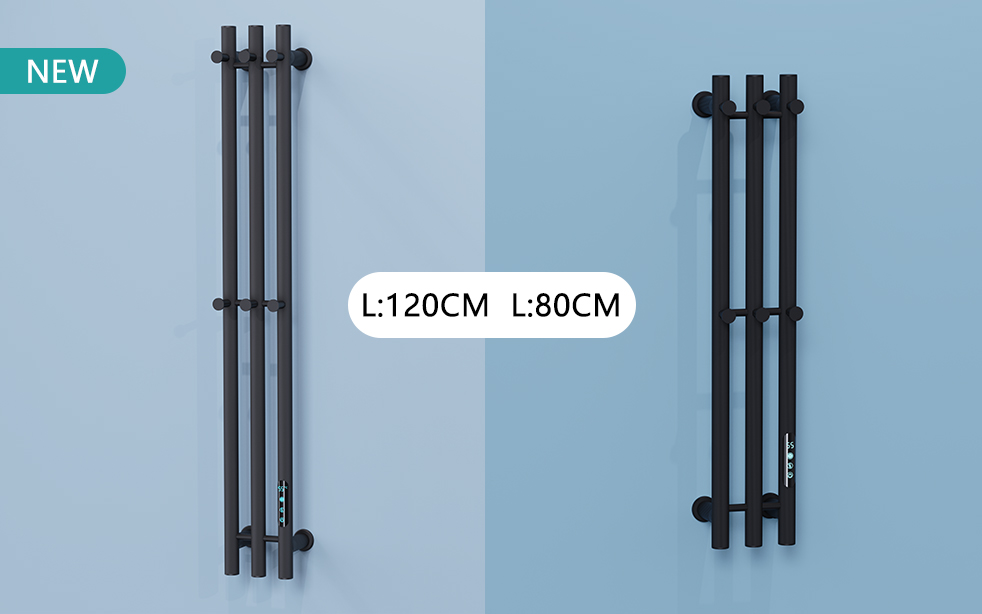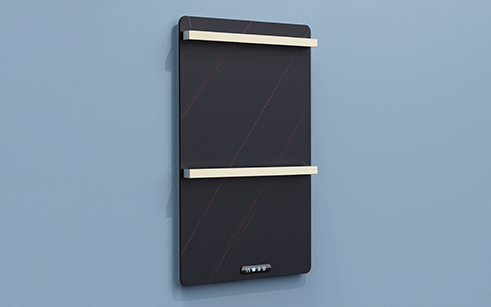
Imagine stepping into your bathroom on a chilly morning, reaching for a towel that’s perfectly warm and cozy. Sounds delightful, right? Electric towel warmers have transformed this little luxury into a must-have for modern bathrooms. But one common question always pops up: how long does a towel warmer take to heat up? In this guide, we’ll break it down for you, explore the science behind heating times, and show you how to get the most out of your FAAO Electric Towel Warmers.

Before we dive into heating times, it’s essential to understand what an electric towel rail is and why it matters.
Electric towel warmers aren’t just about comfort—they help prevent dampness, inhibit bacteria growth, and protect your bathroom fixtures from rust. With a white electric heated towel rail, heated electric towel rail, or even a freestanding electric towel rail, you can dramatically improve your bathroom’s hygiene and efficiency.
FAAO, a leading China Electric Towel Warmers Manufacturer, offers innovative solutions, including stainless steel, aluminum, and glass series, tailored for both aesthetic appeal and functionality.
Heating time depends on several factors: size, material, wattage, and ambient room temperature. On average:
| Type of Towel Warmer | Material | Wattage | Average Heat-Up Time |
|---|---|---|---|
| Wall-Mounted Rail | Aluminum | 60–120 W | 20–30 minutes |
| Freestanding Rail | Stainless Steel | 100–150 W | 25–35 minutes |
| Glass Panel Rail | Tempered Glass | 80–120 W | 20–25 minutes |
| Large Multi-Rail | Aluminum | 150–200 W | 30–40 minutes |

Understanding why some electric towel warmers heat faster than others can help you choose the right model and use it efficiently. Several key factors influence how quickly your towel rack warmers electric reach optimal temperature. Let’s break them down:
The material of your electric towel rail plays a crucial role in heating speed and efficiency:
Aluminum Electric Heated Towel Rails: Aluminum is lightweight and highly conductive, allowing heat to spread evenly and rapidly. A white electric heated towel rail or aluminum variant typically warms towels in 20–25 minutes, making it ideal for busy households.
Stainless Steel Rails: Durable and corrosion-resistant, stainless steel retains heat well but takes slightly longer to reach full warmth—around 25–35 minutes. Perfect if you prioritize longevity over speed.
Glass Panel or Tempered Glass Rails: Aesthetically striking and hygienic, but glass requires higher wattage to heat efficiently. Expect around 20–30 minutes to achieve comfortable warmth.
FAAO Electric Towel Warmers use premium materials, ensuring both rapid heat-up and long-term reliability. Choosing the right material can save time, energy and enhance towel-drying performance.
The heated towel rail electrical requirements determine how fast your rail can warm up:
Higher wattage models generate heat quicker. For example, a freestanding electric towel rail rated at 150W will typically heat faster than a wall-mounted 80W rail.
Proper installation according to FAAO’s specifications ensures consistent power delivery. Using the wrong voltage or an undervalued fuse can delay heat-up time or reduce performance.
Energy-efficient designs, like FAAO’s intelligent temperature control, optimize heating cycles, maintaining comfort while minimizing electricity usage.
Tip: Always match your electric towel rail with the recommended wattage and ensure your bathroom’s electrical setup meets the heated towel rail electrical requirements to avoid performance issues.
The physical dimensions of the towel warmer influence how quickly it heats:
Compact single-rail units heat faster, usually in 20–25 minutes. Ideal for bathrooms with one or two towels.
Multi-rail or ladder-style towel warmers may take 30–40 minutes to reach full warmth. Each additional rail adds thermal mass, requiring more energy to heat evenly.
Large shelf or panel designs, such as FAAO towel warmers with shelf designs, distribute heat efficiently but still take slightly longer to reach peak temperature.
Choosing a size that fits your towels and usage frequency can optimize both comfort and energy efficiency.
The environment around your electric towel warmers also affects heat-up time:
Cold or poorly insulated bathrooms can extend warm-up time by 5–10 minutes.
Heated bathrooms or smaller spaces allow rails to warm towels faster.
Placing your white electric towel rail away from drafts, open windows, or exterior walls improves efficiency and consistency.
Pro Tip: Position FAAO Electric Towel Warmers strategically to maximize heating performance, especially in larger or colder bathrooms.
How you load your towel warmer impacts efficiency and comfort:
Thick, wet towels take longer to warm than thin or slightly damp ones.
Overcrowding rails reduces airflow and heat distribution. A towel heated rack or towel rack warmers electric works best when towels are hung with space in between.
Some FAAO models feature multiple shelves and rails, allowing you to balance heavy loads without sacrificing heat-up speed.
Proper usage ensures towels dry faster (1–2 hours with FAAO rails vs. 6–8 hours without) while maintaining a consistent warmth.
Modern electric towel rails come with smart features that can reduce heat-up times:
Aluminum Electric Heated Towel Rails often have built-in high-quality heating wires that provide even heat distribution.
Advanced FAAO Electric Towel Warmers include temperature sensors, timers, and eco-friendly modes that preheat only when needed, optimizing both comfort and energy efficiency.
Design variations, such as freestanding vs. wall-mounted, can also influence heat retention and warm-up speed.
Choosing a rail with modern technology ensures that your towels are ready when you need them, without wasting energy.
The way your bathroom is insulated and ventilated directly impacts how fast a white electric heated towel rail warms up your towels:
Poorly insulated walls or cold tiles absorb heat, slowing the warming process.
High humidity or poor ventilation increases warm-up time because the heat dissipates into the air instead of into the towel.
Installing your FAAO Electric Towel Warmers in well-ventilated bathrooms ensures quicker heat transfer and faster drying.
Tip: For optimal efficiency, keep the bathroom door closed while warming towels and avoid placing rails near open windows.
Even with the best electric towel rail, inconsistent electricity can delay heating:
Fluctuating voltage reduces the efficiency of your heated electric towel rail.
A dedicated circuit for your freestanding electric towel rail or wall-mounted model can stabilize power supply.
FAAO emphasizes proper installation according to heated towel rail electrical requirements, ensuring consistent, reliable warming performance.
Stable circuits prevent underheating and protect your towel warmer from long-term wear.
The initial state of your towels matters:
Towels straight from the laundry are often wet and heavy, taking longer to warm. A towel heated rack may need up to 40 minutes for thick, wet towels.
Towels stored in a dry environment heat faster. Pre-drying slightly in the dryer or on a FAAO towel warmer set to low for 10–15 minutes can significantly cut full heat-up time.
Managing towel moisture ensures faster warming and better hygiene.
Modern FAAO Electric Towel Warmers come with multiple heat settings:
Low, medium, and high settings allow you to customize how quickly the rail warms.
Smart features like timers, app controls, and temperature sensors can preheat your aluminum electric heated towel rail to ready towels exactly when needed.
Energy-saving modes avoid unnecessary heating but may slightly increase warm-up time compared to continuous operation.
Smart controls balance comfort, energy efficiency, and convenience, especially for busy households or commercial applications.
| Style | Heating Efficiency | Pros | Cons |
| White Electric Heated Towel Rail | Medium | Stylish, easy-to match bathrooms | Slower for large towels |
| Freestanding Electric Towel Rail | High | Flexible placement, portable | Slightly slower heat retention |
| Aluminum Electric Heated Towel Rail | Very High | Rapid warming, even heat, eco-friendly | Premium price |
| Glass Series | Medium-High | Modern aesthetic, hygienic | Fragile, requires careful cleaning |
Notice how aluminum rails consistently outperform others in heat-up speed and energy efficiency, making them ideal for families or commercial settings.
Preheat Strategically – Turn on your white electric towel rail 30 minutes before use.
Load Smartly – Avoid overloading with multiple heavy towels; heat distributes unevenly.
Regular Maintenance – Keep rails dry and clean to maintain conductivity and efficiency.
FAAO’s towel warmers with shelf designs and intelligent temperature control make these steps even easier, saving electricity while maximizing comfort.
In a Northern Europe residential project, 50 FAAO Electric Towel Warmers—including aluminum electric heated towel rails and white electric heated towel rails—replaced older, slower models. The goal was to improve towel drying time, bathroom hygiene, and energy efficiency.
Results:
Heat-up time reduced from 35–45 minutes to 22–25 minutes
Towels dried in 1–2 hours compared to 6–8 hours before
99% reduction in bacteria and damp odors, keeping bathrooms fresh
Energy consumption decreased by 15–20% thanks to FAAO’s intelligent temperature control
Residents highlighted the rails’ fast, even heating, modern design, and hygiene benefits, proving that FAAO Electric Towel Warmers deliver comfort, efficiency, and style in real-world settings.
FAAO Electric Towel Warmers deliver rapid heating, superior hygiene, and style in one package. Whether you choose a white heated towel rail, an aluminum electric heated towel rail, or a freestanding option, you’re investing in comfort, health, and efficiency. Step into a warm, cozy bathroom every day while keeping towels dry, bacteria-free, and ready to use. Choose FAAO—your trusted partner in modern electric towel rail solutions.
Upgrade your bathroom today with FAAO Electric Towel Warmers and experience warmth like never before!
On average, 20–40 minutes depending on size and material. Aluminum models are fastest.
Yes. Freestanding electric towel rails or compact wall-mounted options work well.
Absolutely. Intelligent temperature control ensures energy is used only when needed.
Yes. Quick drying inhibits bacteria and mold, keeping towels hygienic.
Yes, but avoid overloading to maintain even heat distribution.
 Optimized by Seraphinite Accelerator
 Tel:
Tel:  E-mail:
  English
  Spanish
  French
  Russian
  Portuguese