When it comes to choosing the right soap storage solution for your bathroom, you have two main options: soap holders or soap dispensers. Each option has its advantages, and the right choice depends on your preferences and needs. In this article, we’ll explore both options and help you determine which one is best suited for your bathroom.
Soap Holders: Classic and Simple
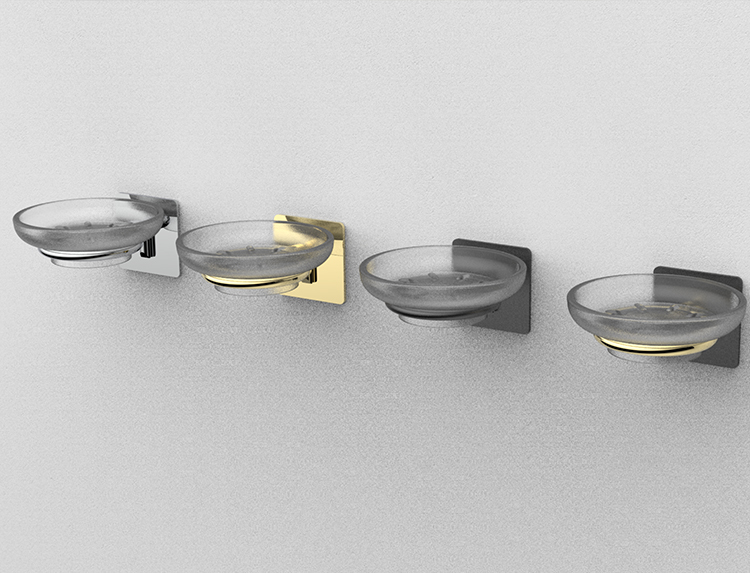
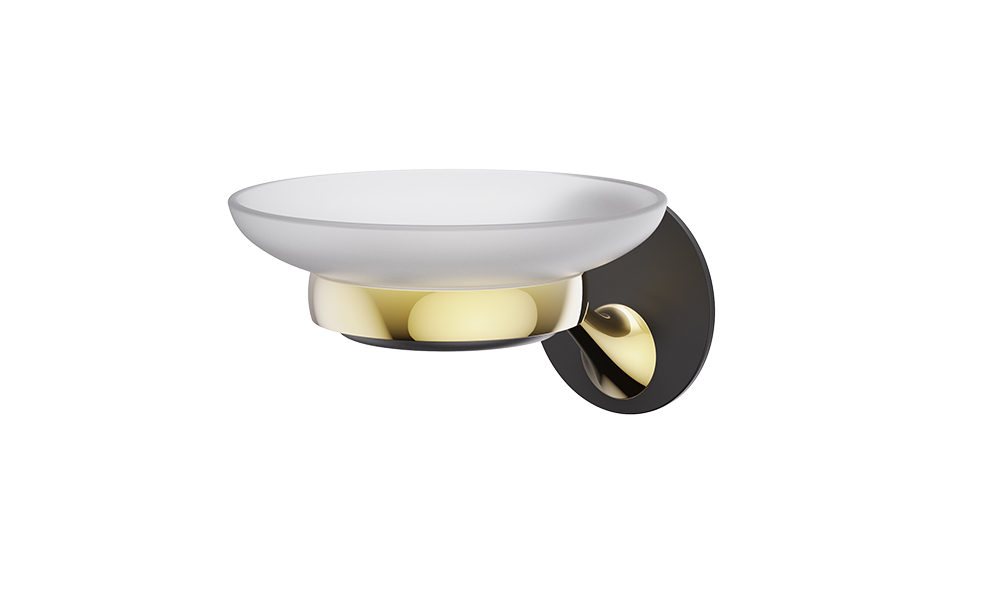
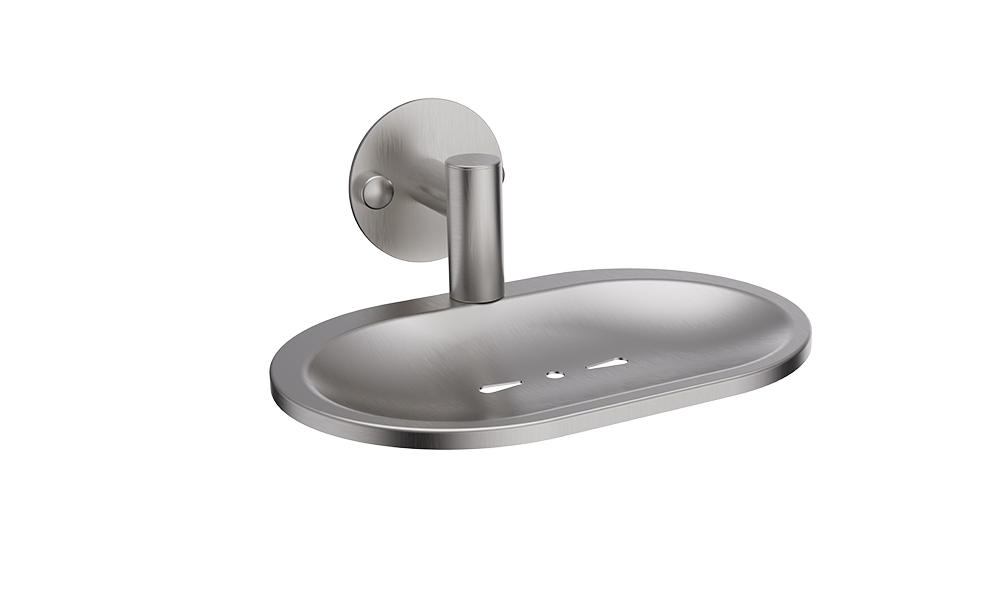
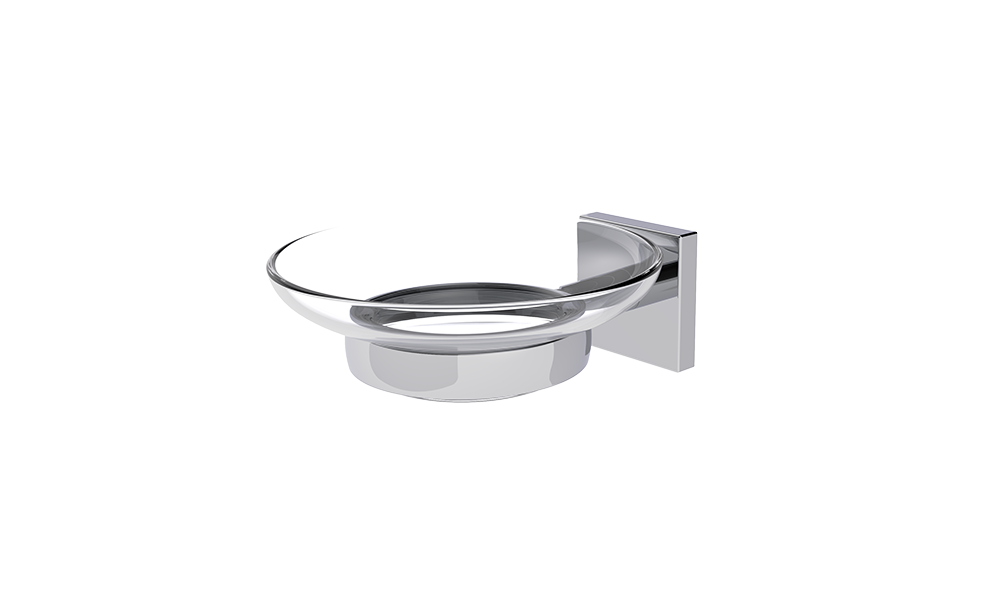
A soap holder is the traditional choice for storing bar soap. These holders come in various materials, including ceramic, metal, or plastic, and are typically seen in most bathrooms due to their simplicity and functionality. Let’s take a look at the key benefits of using a soap holder:
Simplicity: Soap holders are easy to install and maintain. Most holders only require a flat surface to place your bar soap.
Durability: Depending on the material, soap holders can be very durable. Ceramic and stainless steel options are corrosion and stain-resistant.
Affordability: Soap holders are usually affordable and come in a variety of price points.
Aesthetic: Soap holders come in a range of designs, from minimalist to more decorative options, so they can easily match your bathroom decor.
Space-saving: Soap holders take up less space compared to soap dispensers, making them ideal for smaller bathroom counters.
Here’s a comparison of common soap holder materials:
Material
Durability
Aesthetic Style
Maintenance
Ceramic
High
Elegant, Classic
Medium
Stainless Steel
Very High
Modern, Simple
Low
Plastic
Medium
Practical, Simple
Easy to Clean
Glass
Medium
Luxurious, Artistic
High
For example, a ceramic soap holder works well for a classic bathroom setup, while a stainless steel holder may be more suitable for a modern design.
Soap Dispensers: Convenient and Hygienic
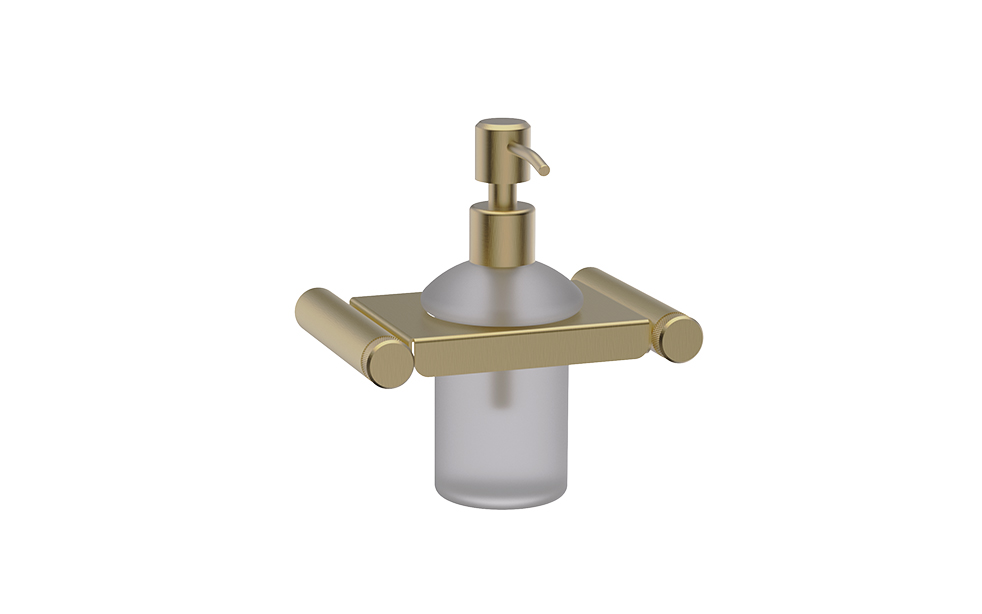
A soap dispenser is a more modern choice, offering a convenient and hygienic way to store liquid soap. Soap dispensers are commonly found in hotels, commercial spaces, and modern homes. Here are some reasons why you might opt for a soap dispenser:
Convenience: Soap dispensers are perfect for liquid soap. Just press a button or touch a sensor to get the desired amount of soap without having to touch the soap itself.
Hygiene: Since you don’t directly touch the soap, dispensers are generally more hygienic than soap holders, reducing the spread of germs.
Variety of Designs: Soap dispensers come in many designs, from manual push-button models to automatic sensor models. Sensor dispensers are ideal for reducing cross-contamination, especially in high-traffic bathrooms.
Space-saving: While soap dispensers are typically larger than soap holders, modern designs can be cleverly installed on bathroom walls or corners, saving counter space.
Refillable: Most soap dispensers can be refilled, making them a more eco-friendly option compared to single-use soap bars or packaged soap containers, reducing waste.
Here’s a comparison of common soap dispensers:
Feature
Manual Dispensers
Touchless Dispensers
Wall-Mounted Dispensers
Hygiene
Medium
High
High
Maintenance
Easy to Clean
Requires Battery Change
Needs Wall Space
Soap Capacity
Medium
Low to Medium
High
Price
Low to Medium
Medium to High
Medium
For example, manual dispensers are great for everyday use, while touchless dispensers add more convenience and cleanliness, making them ideal for family bathrooms or public restrooms.
Core Differences Between Soap Holders and Soap Dispensers
Although both soap holders and soap dispensers serve the purpose of holding soap, they differ significantly in terms of functionality, usage, hygiene, and design. Here’s a more detailed comparison in table format:
Feature
Soap Holder
Soap Dispenser
Usage
Designed for bar soap, direct contact required
Designed for liquid soap, press or sensor-based
Hygiene
Bar soap is exposed to air, which can accumulate bacteria
No direct contact with soap, reducing the spread of germs
Design Style
Traditional, simple, suits classic or vintage bathrooms
Modern, functional designs, fits well in contemporary bathrooms
Space Occupancy
Takes up less space, ideal for small countertops
Typically larger, but wall-mounted options save space
Maintenance & Refill
Requires regular cleaning, easy to use
Requires refills of liquid soap, automatic models may need battery changes
Cost
Typically lower-priced, budget-friendly
Higher-priced, especially for automatic models
As shown in the table, soap holders and soap dispensers differ in terms of usage, hygiene, design, space, and cost. Soap holders are ideal for bar soap, are budget-friendly, and require less maintenance but are less hygienic due to direct contact with the soap. Soap dispensers, on the other hand, are more hygienic, reduce soap wastage, and provide more convenience but come with a higher price tag and maintenance requirements.
Core Summary:
Soap Holders: Ideal for traditional bar soap, space-saving, and economical, but less hygienic and require direct contact with the soap.
Soap Dispensers: Suitable for liquid soap, provide better hygiene and convenience, especially with touchless options, but generally more expensive and require regular refills and maintenance.
Which One Is Right for You?
To help you decide, let’s review some key factors:
Soap Type: If you prefer bar soap, a soap holder is the best option. If you use liquid soap, a soap dispenser is more suitable.
Hygiene Needs: If hygiene is a top priority, especially in high-traffic or shared bathrooms, a soap dispenser (particularly a touchless dispenser) is the better choice.
Aesthetic Preferences: Soap holders provide a more traditional and elegant look, while soap dispensers offer a modern and minimalist style. Choose the option that best matches your bathroom decor.
Space Constraints: Soap holders are compact and ideal for smaller bathrooms. Soap dispensers, especially wall-mounted models, can save counter space while offering more soap capacity.
Maintenance & Cost: Soap holders are generally easier to maintain and more affordable. Soap dispensers, especially automatic ones, may require more maintenance but provide convenience and reduce soap wastage.
Wholesales Beauty Soap Holder Free Samples
FAQs
Q: Can I use liquid soap with a soap holder?
No, soap holders are designed for bar soap. For liquid soap, you should use a soap dispenser.
Q: Are soap dispensers more hygienic than soap holders?
Yes, soap dispensers are generally more hygienic as they avoid direct contact with the soap, reducing the spread of germs.
Q: How often should I refill my soap dispenser?
The refill frequency depends on the dispenser’s capacity and usage. Most soap dispensers can hold soap for several weeks or longer.
Q: Can I install a soap dispenser myself?
Yes, many soap dispensers are easy to install. Wall-mounted models may require drilling, but most come with clear installation instructions.
Q: What’s the best material for a soap holder?
Ceramic, stainless steel, and glass are durable materials that also add a stylish touch to your bathroom. Choose based on your bathroom’s aesthetics and durability needs.
Conclusion
Ultimately, choosing between a soap holder and a soap dispenser depends on your bathroom needs and personal preferences. If you enjoy using traditional bar soap and prefer simplicity, a soap holder might be the right choice for you. However, if you value convenience, hygiene, and a modern look, a soap dispenser will be the better option.
At FAAO, we offer a wide range of high-quality soap holders and soap dispensers to meet your needs. Browse our collection today and find the perfect soap storage solution for your bathroom.


 Optimized by Seraphinite Accelerator
 Tel:
Tel:  E-mail:
  English
  Spanish
  French
  Russian
  Portuguese